Source Diesel Engine Accessory Drive Pulley for Land Marine Trailer
Find 30 listings for diesel engine accessory drive pulley compatible with ISM11 and QSM11 engines. Compare specifications, prices, and delivery times from verified Chinese manufacturers offering water-cooled generator components.
Key considerations
Products List





Comprehensive Sourcing Guide
Strategic Sourcing Guide for Diesel Engine Accessory Drive Pulleys
Understanding Technical Specifications and Compatibility
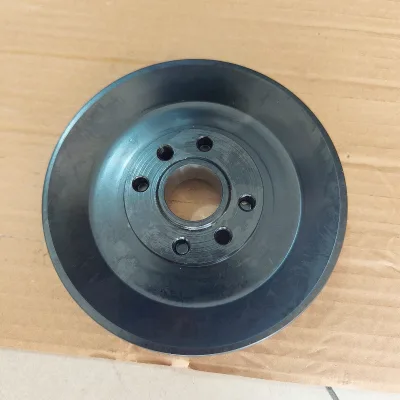
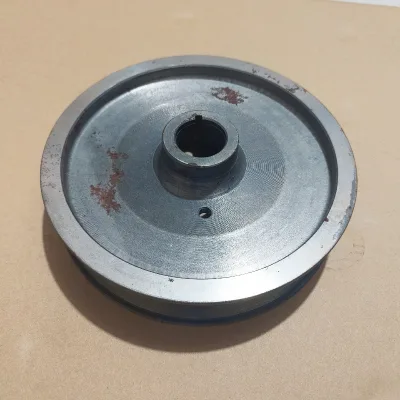
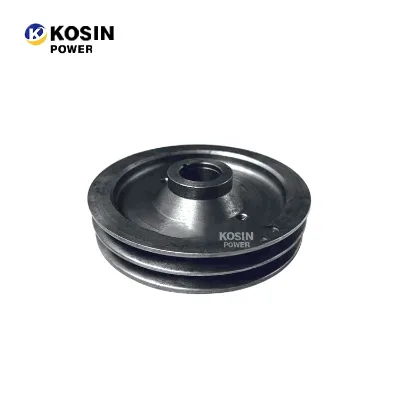
The diesel engine accessory drive pulley serves as a critical mechanical interface within the engine assembly, responsible for transferring rotational power from the crankshaft to auxiliary components such as the alternator, water pump, and air conditioning compressor. When sourcing these components, buyers must prioritize precise compatibility with the engine model rather than relying solely on generic descriptions. The market data indicates that specific engine architectures, such as the NTA855, M11, ISM11, and QSM11 series, dictate the exact dimensional and mechanical requirements for the pulley. These models often require distinct pulley geometries to ensure proper belt tension and alignment.
Material composition is another paramount technical factor. The observed supply chain reveals the use of Aluminum Alloy and Carbon Steel as primary materials for these components. Aluminum alloy pulleys are typically selected for applications where weight reduction is beneficial without sacrificing structural integrity, while carbon steel variants are often preferred for heavy-duty industrial environments where extreme durability is required. The manufacturing technique, identified as "Push" in available listings, suggests a specific forming process that influences the final strength and tolerance of the part. Buyers must verify that the material grade matches the operational stress of their specific diesel engine application, as mismatched materials can lead to premature failure or belt slippage.
Furthermore, the physical attributes of the pulley, including weight and dimensions, vary significantly based on the engine model. For instance, specific listings note a weight of 6 kg for certain units, which is a critical data point for logistics planning and inventory management. The product model numbers, such as 3883324, 3895449, 04297070, 04132864, and 5305348, serve as unique identifiers that must be cross-referenced against the original equipment manufacturer (OEM) specifications. Relying on visual inspection alone is insufficient; the procurement process must begin with a rigorous verification of the OEM number and the specific engine model compatibility to ensure the accessory drive pulley will function correctly within the existing powertrain.
Compliance, Certification, and Standard Verification
In the global B2B market for diesel engine components, compliance with international standards is a non-negotiable aspect of the procurement process. The available product data highlights adherence to ISO standards and the presence of CCC (China Compulsory Certification) for certain units. While these certifications indicate a baseline level of quality control and regulatory compliance, buyers must exercise due diligence to confirm that the specific batch of goods meets the regulatory requirements of their destination country. The presence of "Standard Component" classification suggests that these parts are designed to fit within established industry frameworks, yet the specific standard designation, such as the 320*600 dimension noted in some listings, must be validated against the buyer's local regulations.
Certification status should not be assumed for all listed products. The distinction between a product listing that explicitly states "CCC" and one that does not is significant. Buyers should request current certification documents from the supplier before finalizing any order. Additionally, the "machinery test report" is noted as "Not Available" in some contexts, which implies that while the product may meet general standards, specific performance validation data might not be readily accessible. This absence necessitates a more robust quality assurance protocol on the buyer's end, potentially requiring third-party inspection upon receipt of goods.
The origin of the product, specifically Zhejiang, China, is a known hub for diesel engine accessories, but it does not automatically guarantee uniform quality across all suppliers. The "Made in China" quality attribute is a broad statement that requires substantiation through supplier audits and sample testing. Buyers should verify if the supplier maintains a quality management system that aligns with ISO standards, even if the specific product listing does not explicitly display the certification logo. The "High-Quality" designation found in some descriptions is a subjective claim that must be backed by objective evidence, such as material certificates or batch test results, rather than accepted at face value during the sourcing phase.
Cost Drivers and Pricing Dynamics
The pricing structure for diesel engine accessory drive pulleys is influenced by a complex interplay of factors, including material costs, manufacturing complexity, and order volume. The observed price range in the market spans from 0.6 USD to 2000 USD, a vast disparity that reflects the diversity of product types, from small, lightweight aluminum components to heavy-duty steel assemblies for large industrial generators. This wide range underscores the importance of defining the exact technical requirements before soliciting quotes, as a generic search can yield results that are either too cheap to be reliable or unnecessarily expensive for the intended application.
Material selection is a primary driver of cost. Carbon steel pulleys generally command a different price point compared to aluminum alloy variants due to differences in raw material costs and processing requirements. The manufacturing technique, such as the "Push" method, also impacts the final price, as more complex forming processes may require specialized tooling and longer production times. Additionally, the packaging method, ranging from neutral packing and carton boxes to heavy-duty plywood cases and iron pallets, adds to the overall cost. For heavy items, the requirement for polywooden boxes or iron pallets increases shipping and handling expenses, which are often factored into the final unit price.
Order volume plays a critical role in determining the final cost per unit. The Minimum Order Quantity (MOQ) varies significantly, with some suppliers offering single-piece purchases at an MOQ of 1 PC, while others may require orders up to 500 pieces. This flexibility allows buyers to manage cash flow effectively, but it also means that the unit price for a single item will likely be higher than the price for a bulk order. Buyers should negotiate based on their projected annual usage to secure better pricing tiers. Payment terms, including options like TT, PayPal, Western Union, and Trade Assurance, also influence the financial dynamics of the transaction, with Trade Assurance offering a layer of protection that may justify a slightly higher price point for risk-averse buyers.
Typical Applications and Operational Environments
Diesel engine accessory drive pulleys are integral to a wide array of operational environments, ranging from stationary power generation to mobile transportation. The product data indicates usage in "Common Units," "Standby Units," and "Emergency Crew" scenarios, highlighting their versatility in critical power applications. These pulleys are essential for maintaining the functionality of auxiliary systems in diesel generators, ensuring that the alternator and cooling systems operate reliably during both normal and emergency conditions. The "Land Use" and "Marine" designations suggest that these components are engineered to withstand the varying environmental stresses associated with different terrains and weather conditions.
The "Trailer Type" and "Car Type" applications further expand the scope of these components, indicating their use in mobile power solutions and transportation vehicles. In these contexts, the accessory drive pulley must endure constant vibration, temperature fluctuations, and potential exposure to moisture or corrosive elements. The "Fixed" installation method noted in the specifications implies that these pulleys are designed for permanent mounting within the engine assembly, requiring precise alignment to prevent belt wear and tear. The "Purpose" of the product is explicitly stated as "for replace/repair," emphasizing their role in maintenance and overhaul scenarios where reliability is paramount.
Understanding the specific operational environment is crucial for selecting the right pulley. For marine applications, corrosion resistance becomes a key consideration, potentially favoring specific material treatments or coatings. In contrast, land-based standby units may prioritize durability and long service life under intermittent load conditions. The "Conditions of Use" data suggests that these components are designed for robust performance across diverse settings, but buyers must ensure that the selected pulley matches the specific demands of their application. Failure to align the component with the operational environment can lead to premature failure, downtime, and increased maintenance costs.
Supplier Evaluation and Quality Assurance Protocols
Evaluating suppliers for diesel engine accessory drive pulleys requires a multifaceted approach that goes beyond simple price comparison. The availability of "One-Stop Service" and "After Service" support indicates that some suppliers offer comprehensive solutions, including technical assistance and logistical support. However, the presence of these services does not guarantee product quality. Buyers should verify the supplier's track record, production capacity, and adherence to quality management systems. The "High-Quality" and "New" condition attributes found in listings are positive indicators, but they must be validated through direct communication and documentation requests.
Quality control is a critical component of the supplier evaluation process. Given that "machinery test reports" are not always available, buyers should implement their own quality assurance protocols. This may include requesting material certificates, conducting pre-shipment inspections, or utilizing third-party testing services to verify the mechanical properties of the pulleys. The "6 month" warranty period mentioned in the product data provides a baseline for supplier confidence, but buyers should clarify the terms and conditions of this warranty, including what constitutes a defect and the process for claims. A supplier willing to offer a robust warranty and clear after-sales support is generally a more reliable partner.
The "Stock" status is another factor to consider. Listings indicating "Sufficient Stock" suggest that the supplier can meet immediate demand, which is beneficial for urgent repair scenarios. However, buyers should also inquire about the supplier's ability to handle larger orders and maintain consistent quality over time. The "Delivery time" of 7-15 days or 1-3 working days after payment receipt varies by supplier and order size, and this variability should be factored into the procurement timeline. Buyers should establish clear expectations regarding lead times and ensure that the supplier has the capacity to meet these deadlines consistently.
Long-Term Procurement and Lifecycle Management
Sourcing diesel engine accessory drive pulleys is not merely a transactional activity but a strategic decision that impacts long-term operational efficiency. The "6 month" warranty and "One-Stop Service" offerings suggest that suppliers are positioned to support long-term relationships, but buyers must actively manage the procurement lifecycle to maximize value. This involves maintaining accurate records of part numbers, OEM specifications, and supplier performance metrics. By keeping a detailed inventory of critical components, buyers can reduce downtime and streamline the replacement process when failures occur.
The "New" condition of the products indicates that buyers should focus on sourcing genuine or high-quality replacement parts rather than refurbished or used components, which may have unknown histories and reduced lifespans. The "Plywood Case" and "Carton Packaging" options highlight the importance of proper logistics and storage to prevent damage during transit. Buyers should ensure that their receiving and storage procedures align with the packaging specifications to maintain the integrity of the components. Additionally, the "Shipping Method" options, including DHL, UPS, and FedEx, offer flexibility in logistics, but buyers should evaluate the cost and reliability of each method to optimize their supply chain.
Long-term procurement also involves monitoring market trends and technological advancements in diesel engine components. As engine designs evolve, the specifications for accessory drive pulleys may change, requiring buyers to stay informed about new models and compatibility requirements. The "Standard Component" classification suggests that these parts are part of a broader ecosystem of interchangeable components, but buyers should remain vigilant for updates in industry standards and specifications. By fostering strong relationships with reliable suppliers and maintaining a proactive approach to inventory management, buyers can ensure a steady supply of high-quality diesel engine accessory drive pulleys that support their operational needs over the long term.
Comparative Analysis of Product Attributes
To facilitate informed decision-making, the following table summarizes key product attributes observed in the market, providing a clear comparison of available options. This comparison aids buyers in identifying the specific characteristics that align with their operational requirements.
| Attribute | Observed Values | Relevance to Procurement |
|---|---|---|
| Engine Model | NTA855, M11, ISM11, QSM11 | Critical for compatibility; must match existing engine. |
| Material | Aluminum Alloy, Carbon Steel | Determines weight, durability, and cost; select based on application. |
| OEM Number | 3883324, 3895449, 04297070, etc. | Unique identifier; essential for accurate replacement. |
| Condition | New | Ensures reliability; avoid refurbished parts for critical applications. |
| Warranty | 6 Months | Indicates supplier confidence; verify terms and coverage. |
| MOQ | 1 PC to 500 | Influences order volume and unit pricing; negotiate based on needs. |
| Delivery Time | 1-3 Days to 15 Days | Affects lead time planning; confirm with supplier before ordering. |
| Packaging | Plywood Case, Carton, Iron Pallet | Impacts shipping cost and protection; choose based on weight. |
| Certification | ISO, CCC | Validates compliance; request documentation for verification. |
| Origin | China (Zhejiang) | Indicates manufacturing hub; verify quality control standards. |
This comparative analysis underscores the diversity of options available in the market. Buyers must carefully evaluate each attribute against their specific needs, ensuring that the selected accessory drive pulley meets all technical, regulatory, and operational requirements. By leveraging this data, procurement professionals can make evidence-based decisions that enhance the reliability and efficiency of their diesel engine systems.
FAQs
What engine models are compatible with these pulleys?
These pulleys are compatible with NTA855, M11, ISM11, and QSM11 engine models. Buyers must verify the specific engine architecture to ensure proper belt tension and alignment for the accessory drive system.
Which materials are used for diesel engine accessory drive pulleys?
The pulleys are manufactured using Aluminum Alloy and Carbon Steel. Aluminum alloy is selected for weight reduction, while carbon steel is preferred for heavy-duty industrial environments requiring extreme durability.
Can buyers find pulleys with ISO certification available?
Yes, some listings explicitly state adherence to ISO standards. Buyers should request current certification documents to confirm that the specific batch meets the regulatory requirements of their destination country.
How long is the delivery time for these components?
Delivery times typically range from 1 to 15 days depending on the supplier and order status. Some vendors offer 1-3 working days after payment, while others may require 7-15 days for production.
What is the minimum order quantity for these parts?
The minimum order quantity varies from 1 piece up to 500 pieces depending on the supplier. Single-item purchases are available, but bulk orders often secure better pricing tiers for the buyer.
Which packaging methods are used for shipping these pulleys?
Packaging options include plywood cases, carton boxes, and iron pallets for heavy items. Buyers should verify if polywooden boxes are required for heavy units to ensure safe transport and handling.
Can these pulleys be used in marine and land applications?
Yes, the components are designed for land use, marine, trailer type, and car type conditions. They are engineered to withstand varying environmental stresses and are suitable for common, standby, and emergency crew units.